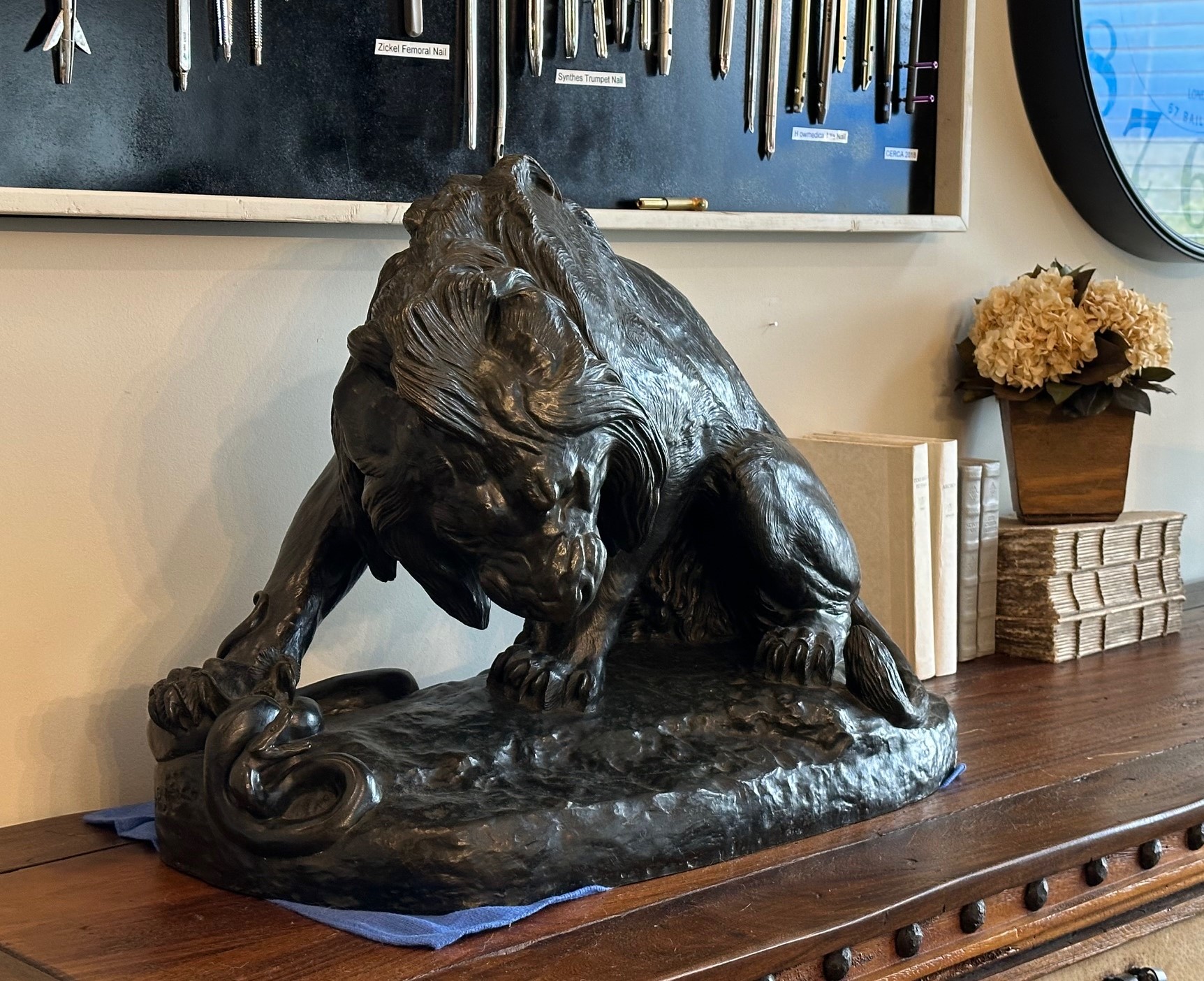
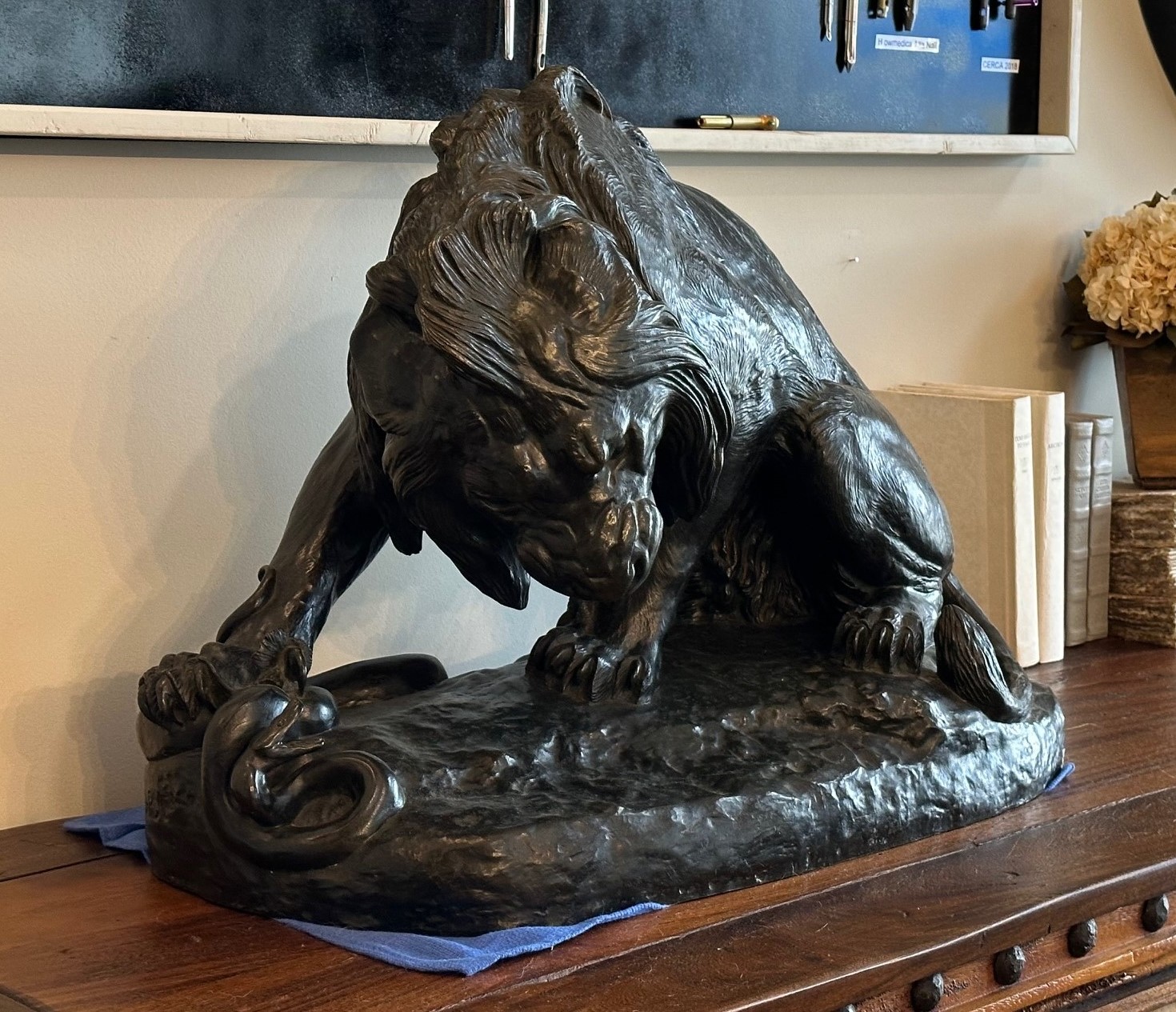
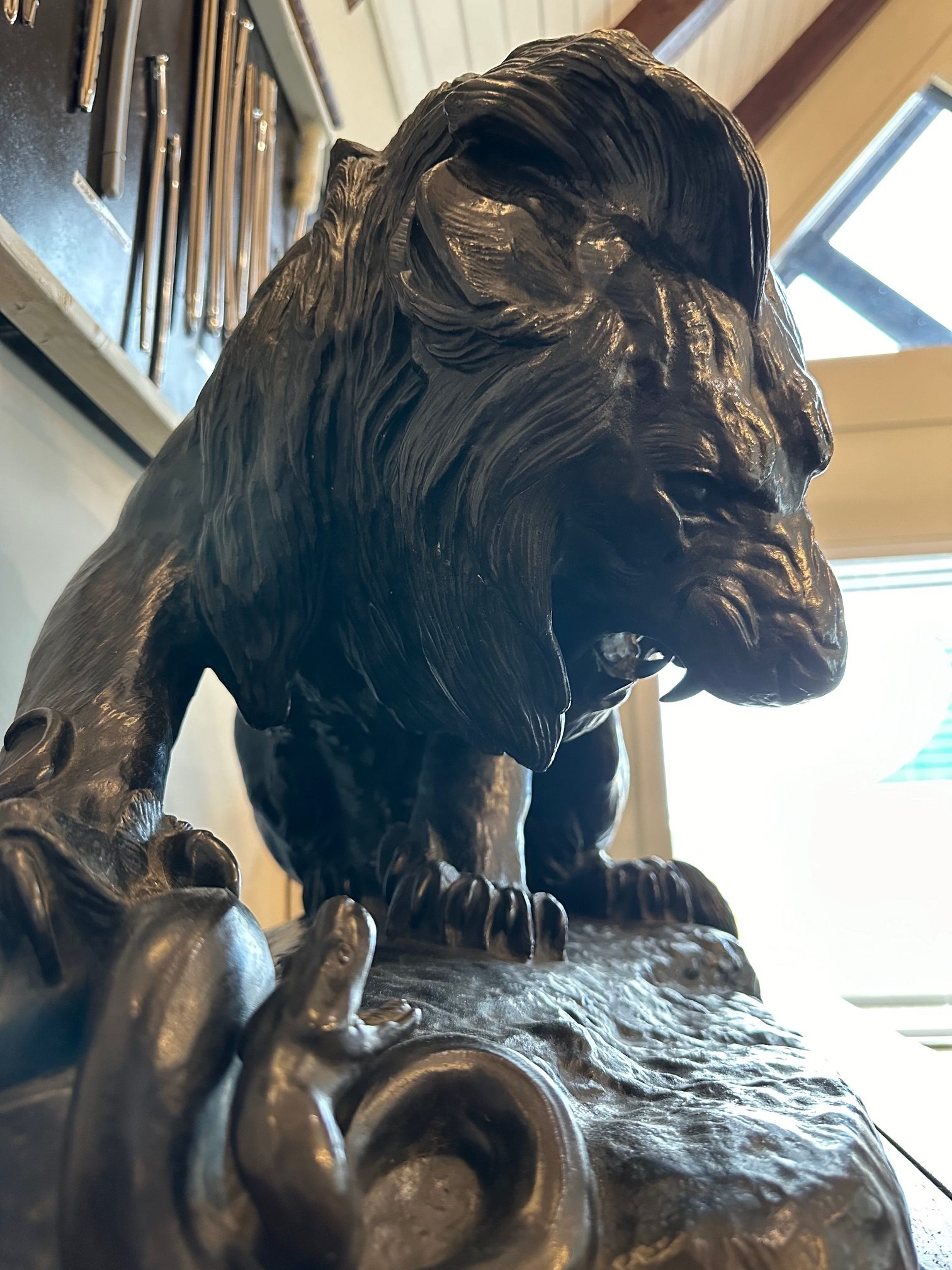
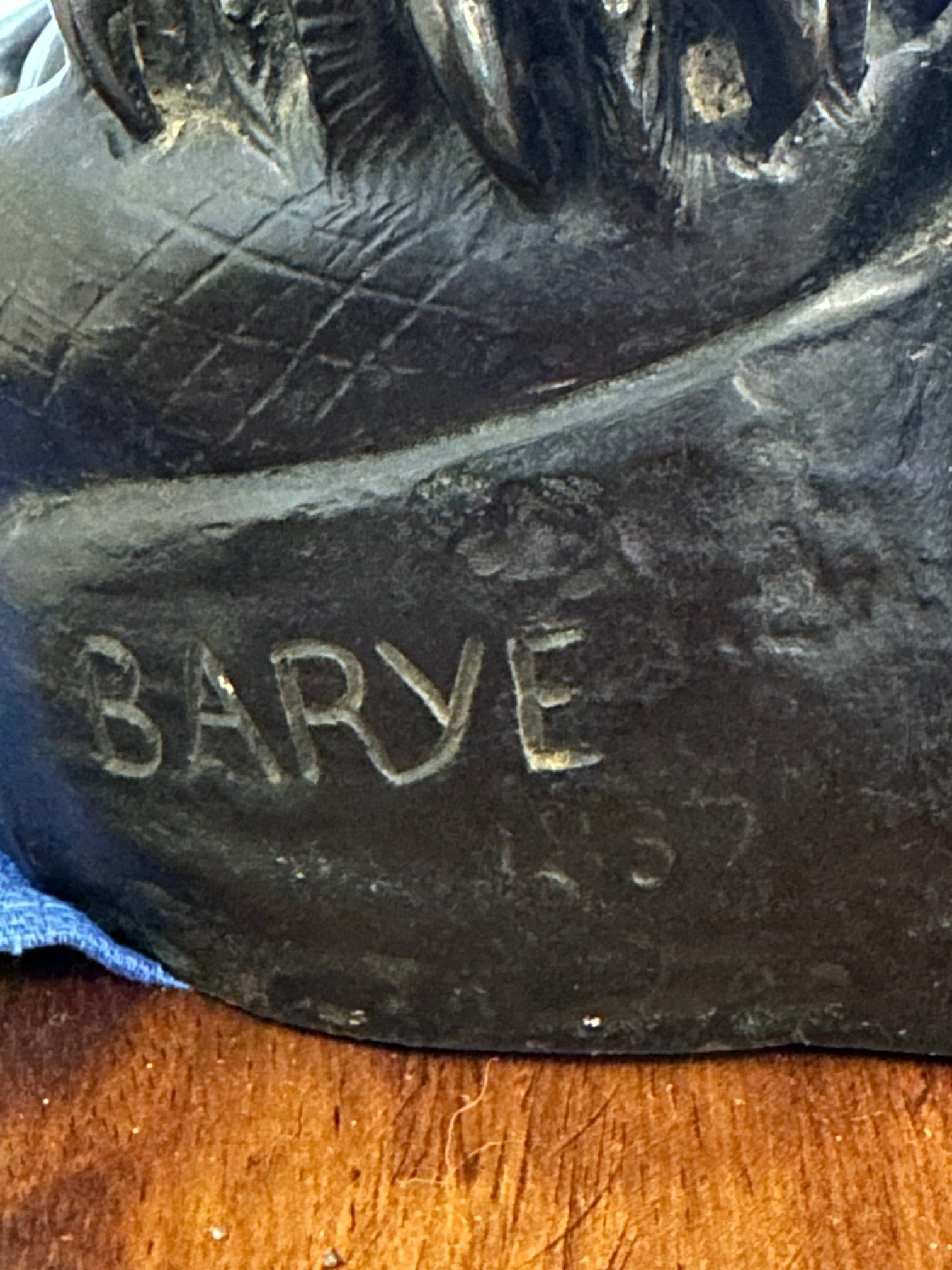
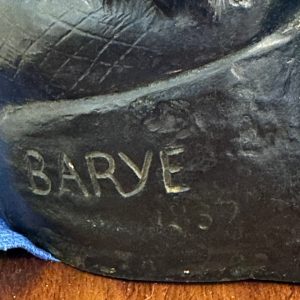
Antoine-Louis Barye was the undisputed master of nineteenth-century animal sculpture and one of the leading figures of the French Romantic movement. Renowned for his powerful bronze sculptures of wild animals, he revolutionized animalier sculpture by combining dramatic expression with remarkable anatomical accuracy. His work transformed animal subjects into serious works of art and inspired an entire generation of sculptors.
The son of a Parisian silversmith, Barye trained first as a metal engraver before studying sculpture under François Joseph Bosio and painting under Baron Gros at the École des Beaux-Arts. His early experience as a goldsmith and bronze chaser gave him an exceptional understanding of metalworking, and by 1838 he had established his own foundry, allowing him to oversee the casting of his celebrated bronzes.
Dedicated to the close study of nature, Barye spent countless hours at the Jardin des Plantes in Paris, carefully observing and sketching living animals while also studying their anatomy. This scientific approach, combined with the emotional intensity of Romanticism, became the hallmark of his work.
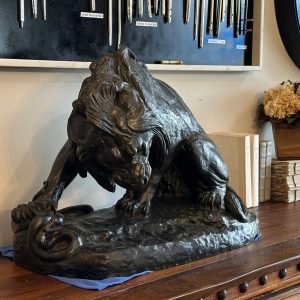
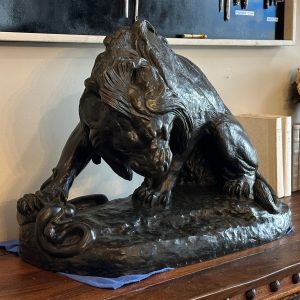
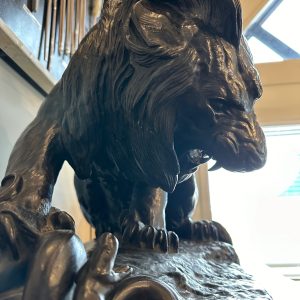
Barye achieved international acclaim at the Paris Salon with Tiger Devouring a Gharial (1831), followed by the equally celebrated Lion with a Serpent (1833), now regarded as one of the masterpieces of nineteenth-century sculpture. Throughout his career, he received numerous prestigious commissions, including the lions for the Tuileries Gardens and the monumental eagles for the Pont d’Iéna in Paris. His triumph at the 1855 Exposition Universelle, where Jaguar Devouring a Hare earned him the Medal of Honor, firmly established his reputation as France’s foremost animal sculptor.
Today, Barye’s bronzes remain among the most sought-after examples of nineteenth-century sculpture, admired for their extraordinary vitality, technical brilliance, and enduring influence on the history of animal art.