

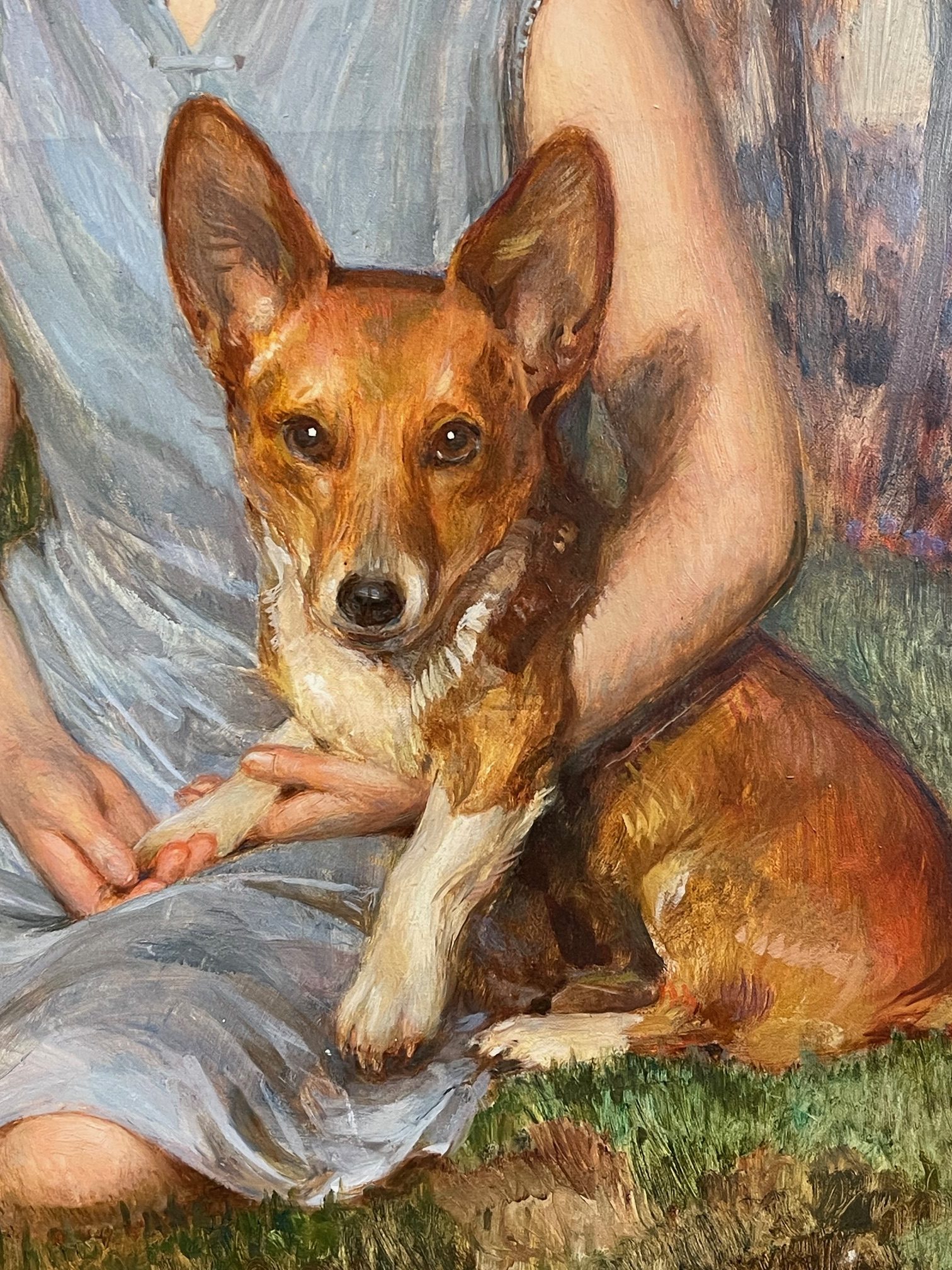
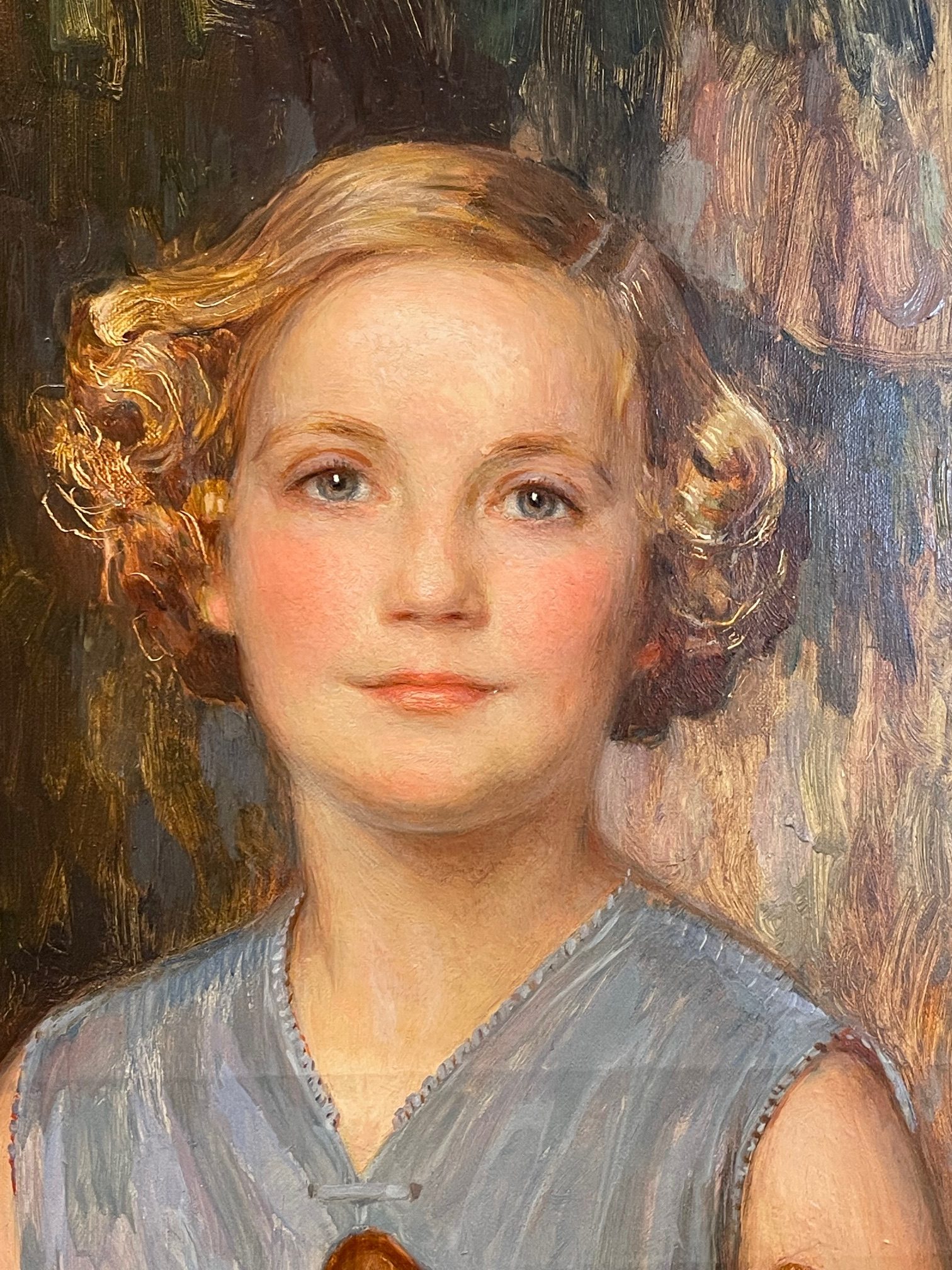


Nikolai (Nicolas) Becker (1877 – 1962) was born in Russian Federation and live, France. Nikolai Becker is known for Portrait, celebrity portrait, landscape painting.
During the early years of the 20th century, he gained notoriety as a portrait artist, even painting members of the royal dynasty. He favored portraits of beautiful women, ballerinas, and opera singers, but he also painted striking landscapes. It was a common practice for Becker to sketch preliminary pencil drawings and paint miniature oils, some in amazing detail, of what he envisioned as the finished painting. His gift of successfully presenting a striking resemblance of his models caught at their best moments, made him one of the most sought-after painters in Russia.
Born in St. Petersburg, Becker first studied as a railway engineer before taking private art lessons from I.E. Krachkovsky. That same year he began participating in the annual exhibit of the St. Petersburg Association of Artists, of which he became an associate member in 1913. He painted the scenery for performances of Giuseppe Verdi’s opera “Aida” at the People’s House theatre in St. Petersburg in 1914. He remained in Russia until the Revolution in 1917 after which he moved to Constantinople. He lived in Constantinople for three years and created 170 portraits of the occupying powers: British, American and French diplomats and military officials, as well as members of their families.
After moving to Paris, Becker exhibited at the 1924 Salon of the Society of Beaux Arts. The next few years were spent on the French Riviera, in Paris and Italy, where he developed his own elegant style and soon became the acclaimed “society portrait artist” of the rich and famous. He exhibited at the Salon of the National Society of Fine Arts in France from 1924 to 1932 and worked over a long period in both London and Madrid painting many portraits of representatives of the English and the Spanish nobility. His pictures spread throughout Europe, including England, where many mansions and castles were graced by his work.
In the 1950s, Becker moved to New York City where, despite his advancing age, he carried on his prolific work. During this time his love of nature emanated from his canvases, often combining creatures with portraits.
Although Becker’s portraits were known as some of the finest in the world, most were commissioned works and never reached the public market.